 Alfred Gillett Trust
 Snuffle Holes, Runs and Roosts
Wildlife at the Grange
Like many historic buildings the Grange is an oasis for wildlife here in the village of Street. Some species like badgers and bats are protected, others are not. We value all the furry and winged wildlife that we share this space with and we are committed to maintaining and improving ecology across the site.

Badgers
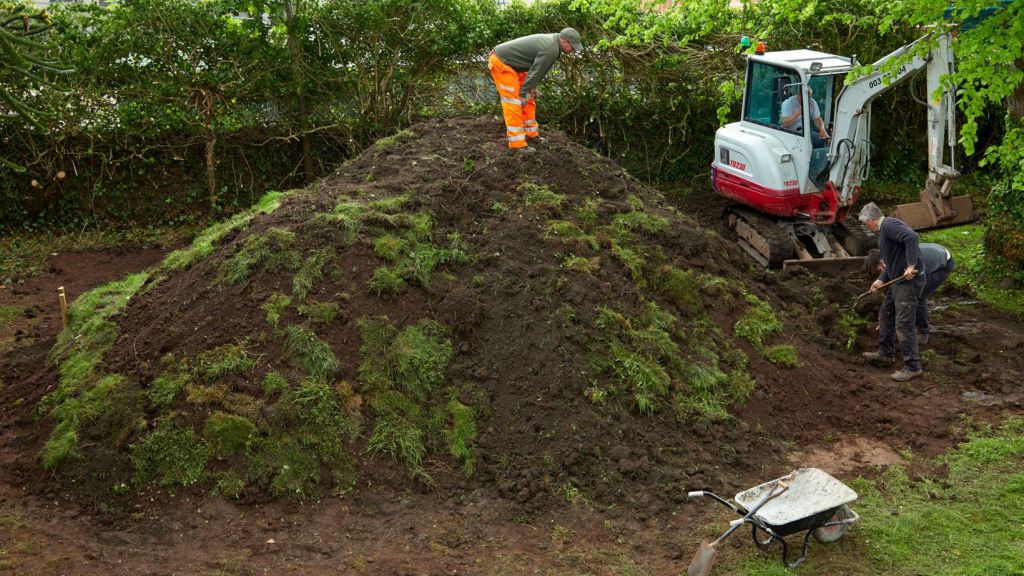
CCTV and stick movement surveys show how our Badger Clan are using the grounds at the Grange. They’ve spent the last few months filling up on some of the abundant forage on site including earthworms, invertebrates and of course apples from the orchard. Ecologists have been offering additional tasty treats to tempt them to relocate to a new purpose built badger set. This worked!!! Now they are getting ready to rest up for the winter in their purpose built new home that we have nicknamed the ‘Badger Hotel’.

Bats
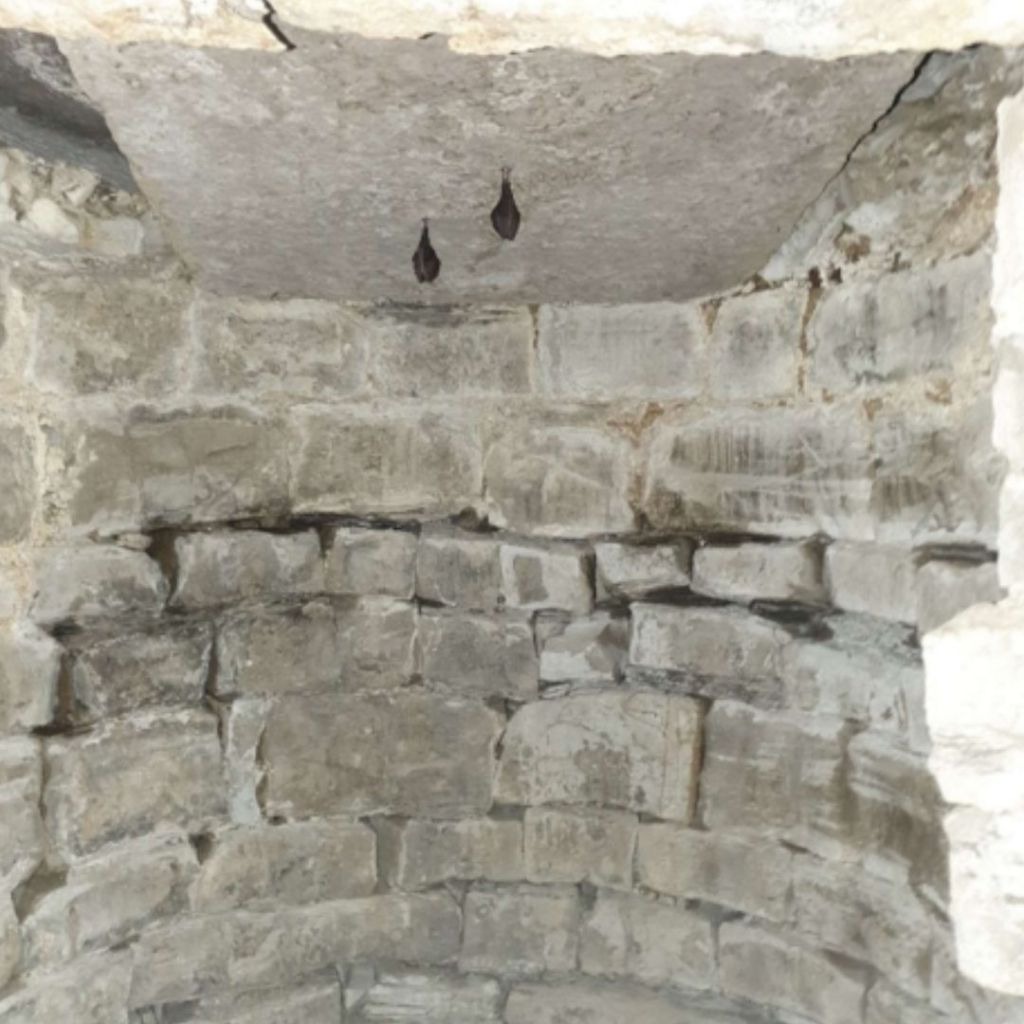
Our Ecology consultants have used DNA testing to identify the species of bats roosting at The Grange. and have discover the rare Lesser Horseshoe, Pipistrelle, Brown Long-eared to name but a few. We are delighted to be a refuge for so many furry flying friends! As the weather cools, like the badgers, the bats are also turning toward hibernation. So the building works have been timed around them, and bat boxes and tunnels have been installed to provide safe, dark, undisturbed spaces for them to sleep in. We also discovered how damaging artificial light can be to wildlife, affecting the bats’ sense of timing, navigation and food sources, so we’ve dimmed our outdoor lights, and factored this into our future museum lighting plan. They can expect a cosy winter ahead and for many years to come.
Bat of the Month – The Serotine

One of the largest British bats living at the Grange is the Serotine at 6-8cm long, The serotine has a taste for beetles, moths and other flying insects. You can listen for the squeaking sound it makes just before emerging at dusk to hunt. They like to take shelter in old buildings and hibernate overwinter before setting up maternity roosts and birthing a single pup in the summer months. We’ll be exploring other bat species living at the Grange over the coming months.


 Alfred Gillett Trust